In the high-stakes sector of commercial and hospitality outdoor furniture, sourcing managers and lead architects are increasingly shifting away from generic synthetic materials toward products that demonstrate distinct aesthetic character and structural permanence. The global market for high-quality outdoor tables is experiencing a major renaissance, with mosaic tables leading the segment. As natural stone, terracotta, and vitrified ceramics find their way back to upscale commercial projects, identifying authoritative mosaic table manufacturers has become a priority for institutional buyers, luxury hotel developers, and international furniture distributors.
This whitepaper addresses the core technical capabilities, material selection protocols, and supply chain strategies that define leading mosaic table manufacturers. Specifically, we investigate how leading producers merge ancient craft traditions with modern materials science. From anti-fracture underlayments to chemical-resistant grouting systems, the manufacture of commercial-grade mosaic furniture is an engineering challenge disguised as an artisanal craft. Understanding these technical layers enables sourcing professionals to distinguish between consumer-grade garden decorations and certified contract-grade outdoor architectural elements.
Google’s latest Search Quality Rater Guidelines emphasize E-E-A-T (Experience, Expertise, Authoritativeness, and Trustworthiness). For buyers navigating complex supply chains, this translates to demanding clear technical specifications: raw material origin certificates, precise testing data on water absorption rates, and verified freeze-thaw cycles. Leading mosaic table companies survive scrutiny by offering absolute transparency in their stone procurement and structural assembly methods.
Modern commercial buyers do not look at mosaic furniture in isolation. The product category is directly linked with broader procurement portfolios, which include high-durability items like aluminum frame PE rattan bar sets, luxury outdoor dining sets, and CE-certified garden seating solutions. The integration of mosaic tables within these extensive outdoor setups creates a cohesive design narrative. Whether designing a high-traffic rooftop bar in Paris or a luxury beach resort in Dubai, the combination of hand-laid stone mosaics with lightweight, rust-proof powder-coated aluminum frames offers the perfect balance of visual weight and physical portability.
The mosaic table industry represents a highly fragmented market segment where manufacturing clusters define product specialization. Historically centered around Mediterranean Europe (Italy, Spain, and Greece) due to localized access to classic marbles and hand-crafted terra cotta, the center of gravity for commercial scale procurement has shifted toward East Asia. Chinese manufacturers, in particular, have successfully industrialized what was once a slow, artisan-only craft by introducing advanced CNC water-jet stone cutting systems, coupled with manual hand-placing stations.
Industrial sourcing teams typically divide mosaic products into three performance-tier categories depending on the end-use environment:
Designed for high-turnover dining areas, hotel rooftops, and luxury cruise ships. These require dense granite or basalt stones paired with highly elastomeric polyurethane grouts that withstand UV degradation, extreme temperature shifts, and chemical sanitation products.
Ideal for coastal resorts, poolside dining decks, and beach clubs. Underlayments must be composed of inorganic, non-rot materials such as cementitious backer boards or marine-grade composite panels to prevent moisture absorption and subsequent layer delamination.
Utilizes soft, hand-honed travertine, marble, and decorative glass inserts. These prioritize design complexity and tactile premium quality, utilizing micro-joints that present a seamless polished surface suitable for indoor and semi-outdoor use.
A key insight for global buyers is understanding the structural interaction between the mosaic top and the table frame. A common engineering flaw in cheaper imports is mounting a heavy stone top onto a flimsy frame without load-spreading sub-plates. Authoritative manufacturers ensure that frames are manufactured from heavy-wall extruded aluminum profiles (usually 1.5mm to 2.0mm thickness) treated with a multi-stage chromate pre-treatment and polyester powder coating. This prevents galvanic corrosion and guarantees that the table remains structurally stable even when loaded with up to 150 kg of static weight.
Since 2005, ADS has been at the forefront of engineering commercial-grade outdoor furniture. By combining traditional craftsmanship with precise industrial protocols, we deliver durable and beautiful solutions to global hospitality and wholesale clients.
Our modern production facilities, situated within a state-of-the-art industrial park, feature advanced robotic welding cells, continuous dry-powder coating ovens, and highly skilled manual assembly teams. Our monthly output exceeds 50,000 chairs, backed by an annual turnover of over 20 million USD. This scale gives us the purchasing power to secure premium natural stone, high-density polyethylene (HDPE) fibers, and structural alloys at stable, competitive prices.
For global hospitality and commercial projects, we maintain a strict Quality Control (QC) team that monitors every stage of production. From raw material intake, frame construction, and surface grouting to final packing, each step follows rigorous ISO-certified standard operating procedures.
The conversation around sourcing mosaic tables from China has evolved beyond basic labor-cost arbitrage. In the modern manufacturing landscape, leading Chinese furniture factories have implemented Industry 4.0 paradigms. This system integrates digital design, automated material processing, and real-time inventory management. For an international sourcing officer, this structural shift guarantees three key performance indicators: absolute dimensional consistency, reliable lead times, and high-level design customization (ODM).
A key challenge in traditional mosaic work was human variance. Manual stone cutting resulted in unequal gaps, requiring excessive, thick grout lines prone to cracking over time. Today, Factory 4.0 systems resolve this with precision water-jet cutting machines linked directly to CAD files. These machines cut marbles, travertines, slate, and glass tiles with sub-millimeter precision. The pieces are then laid by skilled artisans on self-draining fiberglass backer meshes, ensuring that the final table top has a completely level, visually balanced surface.
China’s unparalleled industrial clustering is our biggest advantage. In our regional hub, all supply chain nodes are co-located: steel mills, primary aluminum extruders, precision hardware suppliers, and stone quarries. This tight integration helps buffer against global raw material price swings and drastically reduces logistical delays. We can easily transition production from an all-aluminum dining table to a high-end mosaic top table, maintaining absolute control over lead times.
Environmental compliance has become a critical metric for global procurement. In the past, stone cutting generated significant amounts of mineral waste and dust. Our Factory 4.0 systems utilize closed-loop water filtration and recycling setups, capturing 98% of stone slurry and reusing water during the cutting process. Furthermore, all adhesives, epoxy sealants, and grout bases used in our assembly lines meet international low-VOC emission standards. This makes our furniture compliant with green building regulations, including LEED (Leadership in Energy and Environmental Design) certification protocols for commercial hospitality developments.
The primary reason commercial buyers hesitate to purchase mosaic tables is fear of long-term weathering. When exposed to outdoor environments, tables experience freeze-thaw cycles, high UV exposure, and rain. Water naturally penetrates porous stones (like travertine) or micro-gaps in the grout. When temperature drops, the trapped water expands and freezes, causing tiles to crack and lift.
To prevent these failures, leading mosaic table manufacturers have redesigned the structural stack of the table top. Our research and development department utilizes a five-layer structural sandwich system:
Additionally, the metal frame must be meticulously engineered to resist corrosion. Modern factories utilize heavy-duty, marine-grade aluminum alloys (like 6063-T5) that are treated with chromate-free conversion coatings before powder coating. This creates a multi-layered barrier against moisture and air, preventing oxidation, paint peeling, and structural failure.
True industry authority is earned through international certifications and participation in major design exhibitions. As an established manufacturer, ADS actively presents new collections at leading furniture exhibitions worldwide, including the **Milan International Furniture Fair** (Salone del Mobile) and the **China International Furniture Fair** (CIFF) in Guangzhou. These exhibitions keep our design team aligned with contemporary color stories, material combinations, and spatial trends.
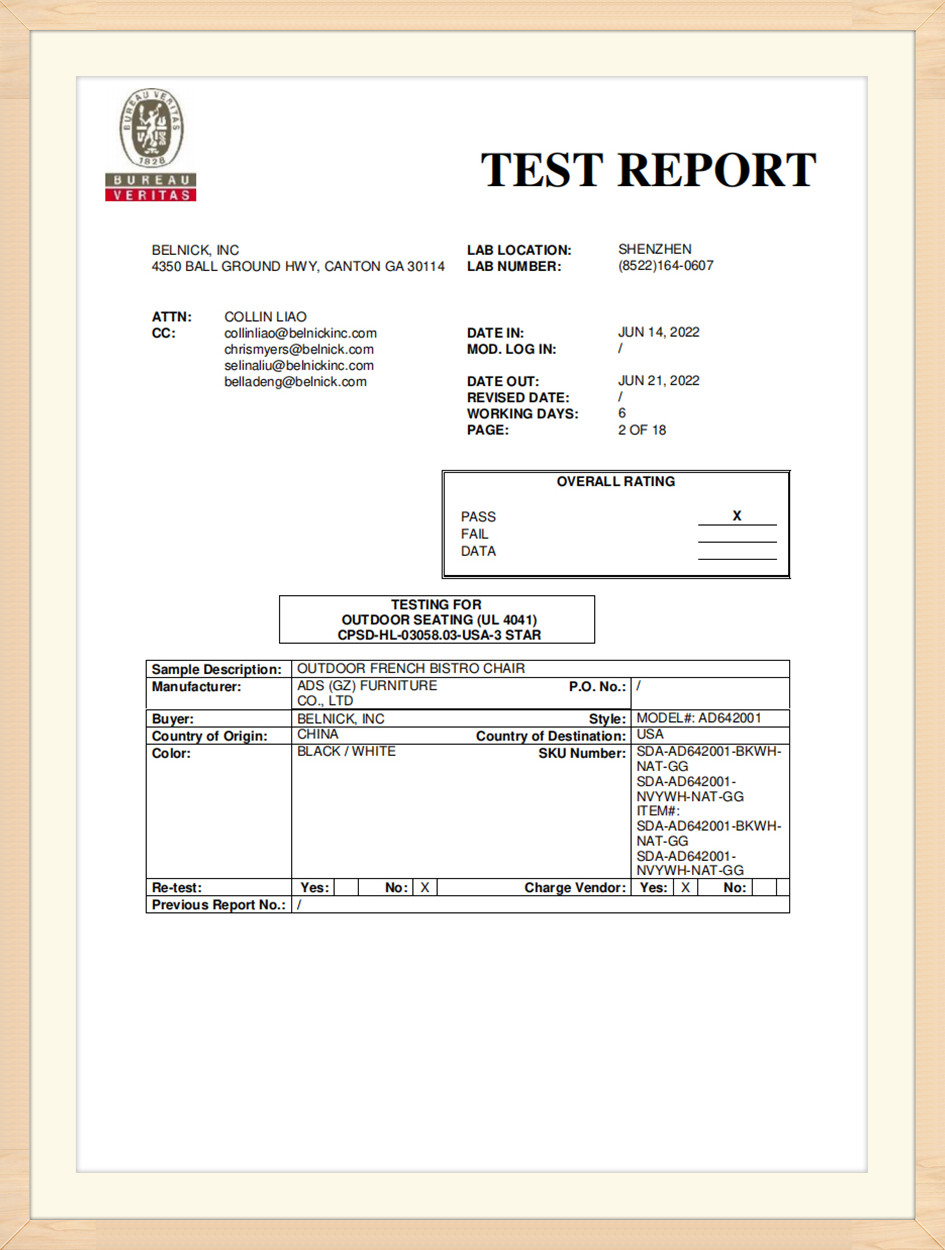
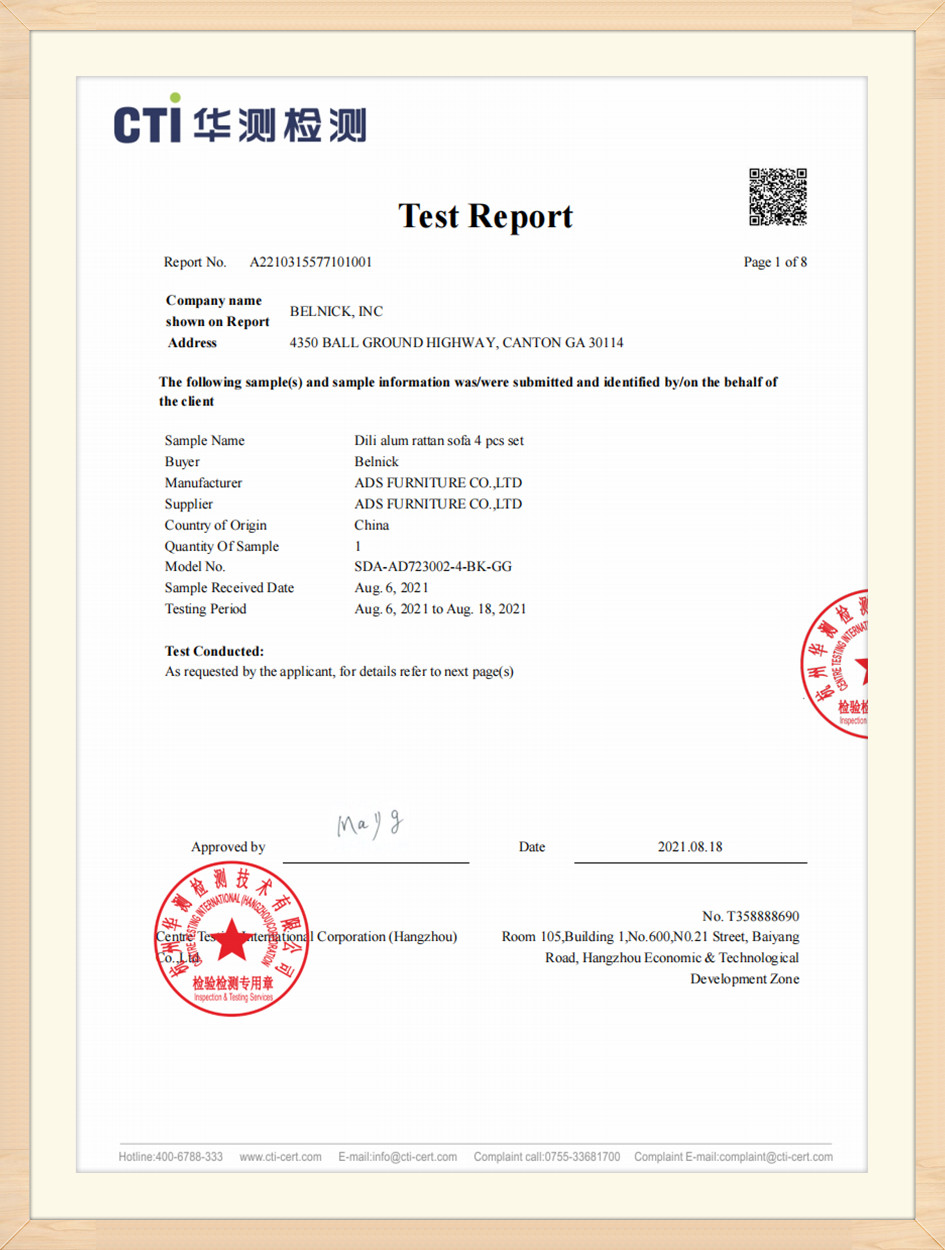
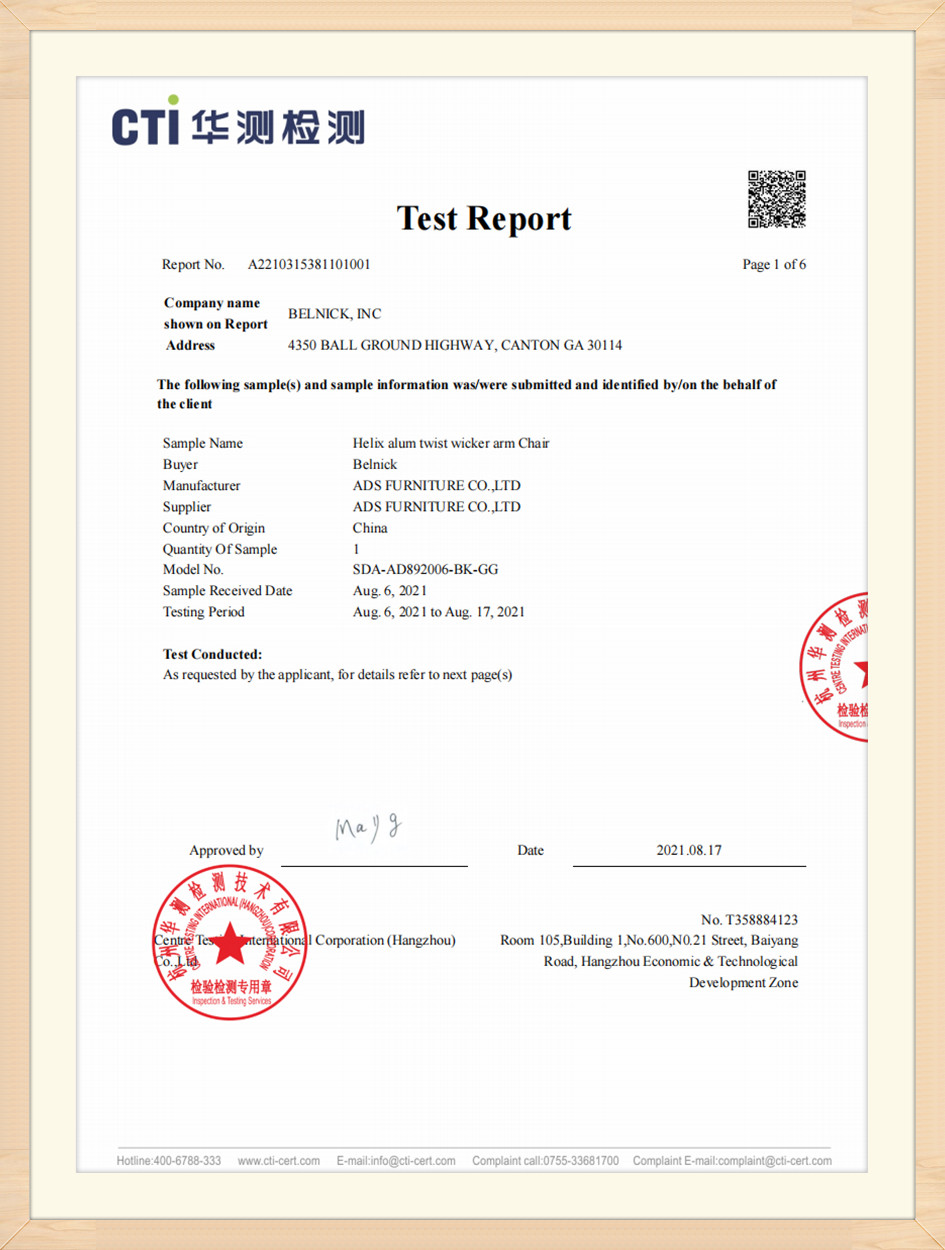
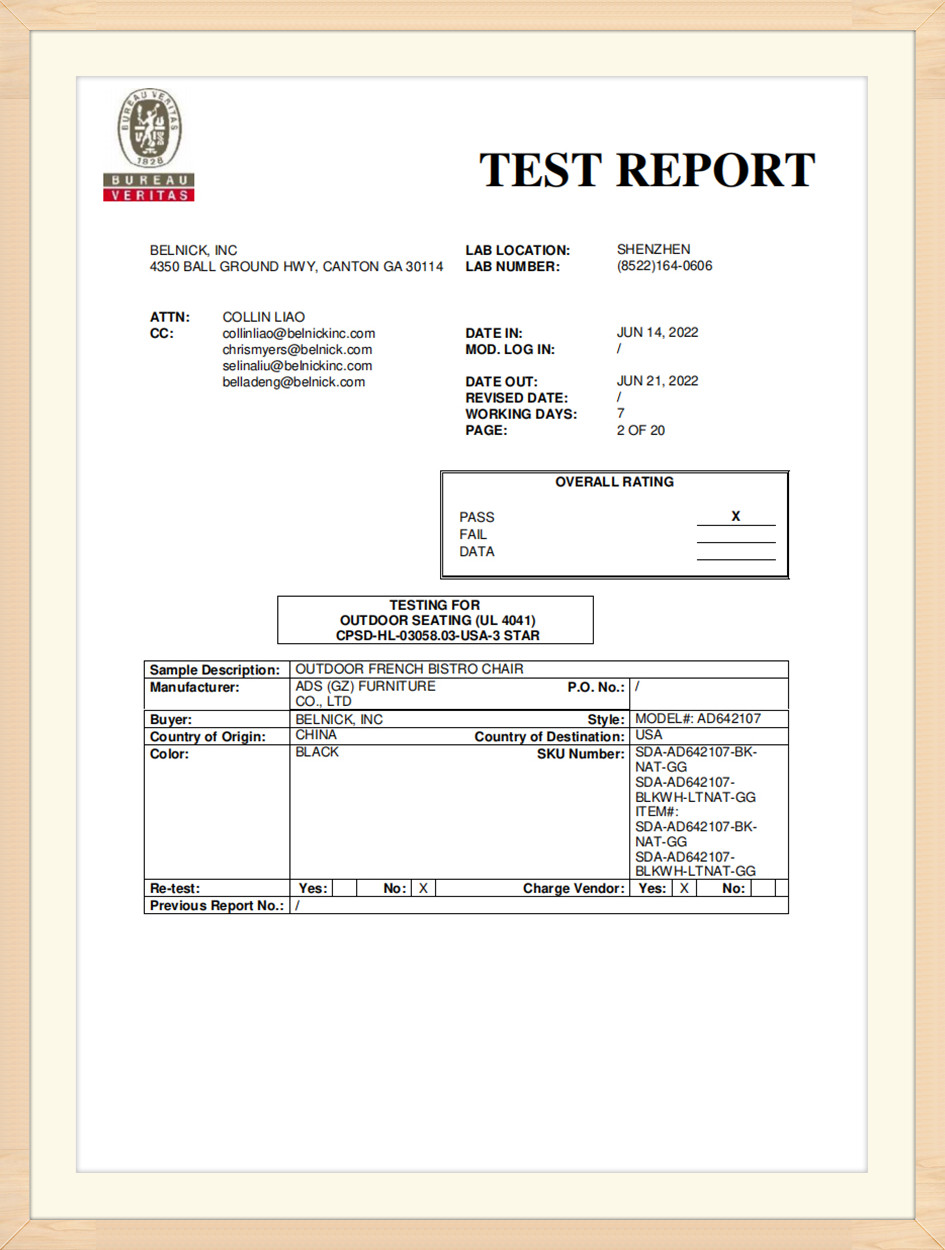
Our quality assurance system is certified under ISO 9001, and our outdoor furniture holds CE certification, meeting European safety, health, and environmental protection requirements. By maintaining rigorous control from incoming raw stone testing to drop tests on cartoned packages, we verify that our products arrive in perfect condition and withstand high-traffic hospitality use.
We believe that product quality is a direct reflection of our team's expertise and well-being. At ADS, we prioritize continuous training and professional development for our employees. By empowering our technical staff with modern machinery training and advanced safety protocols, we maintain a highly skilled and passionate workforce.
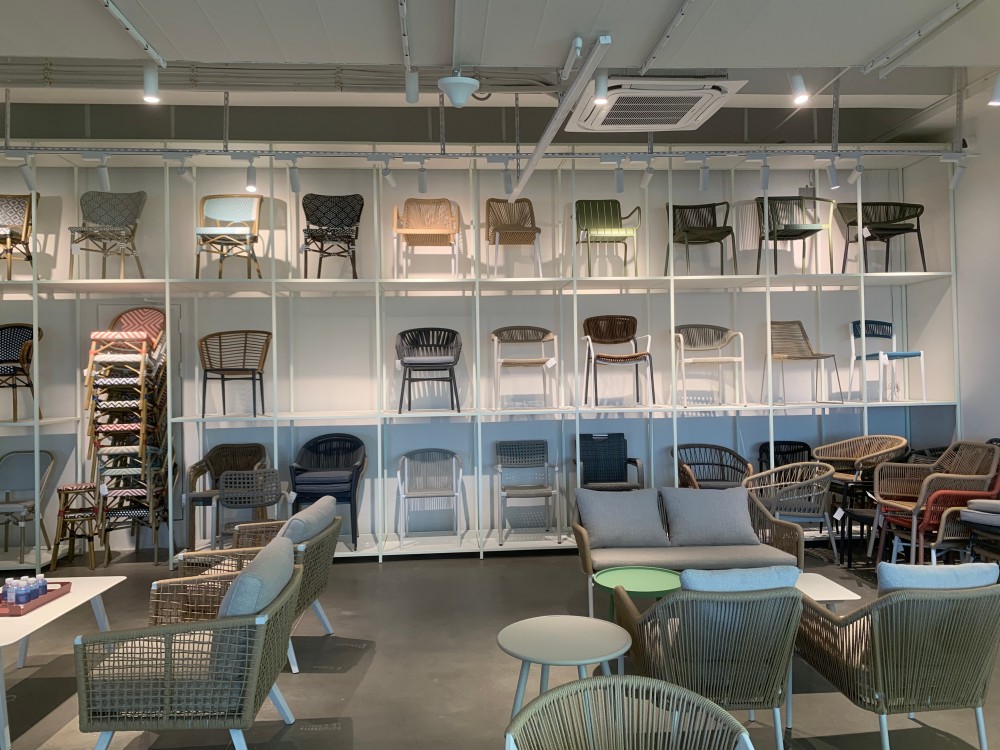
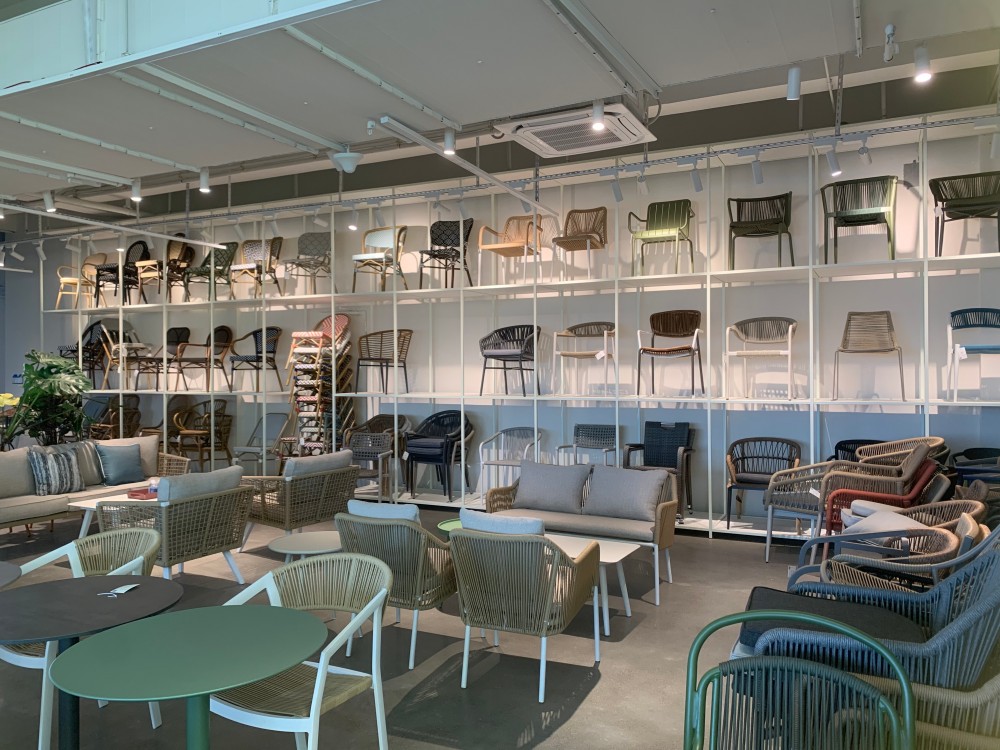
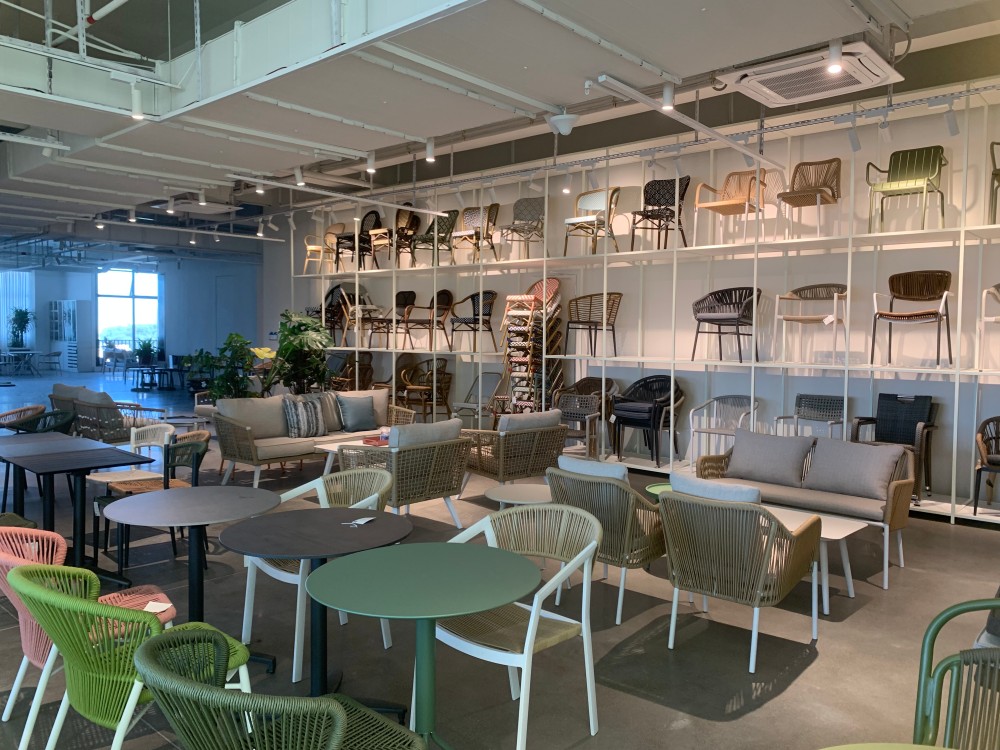
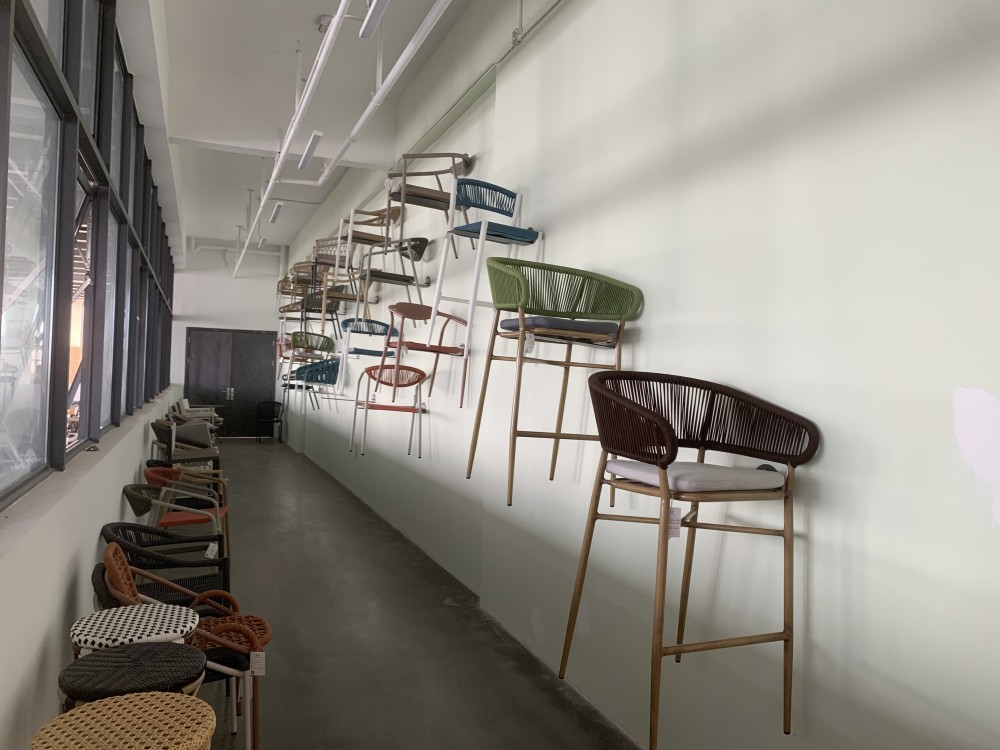
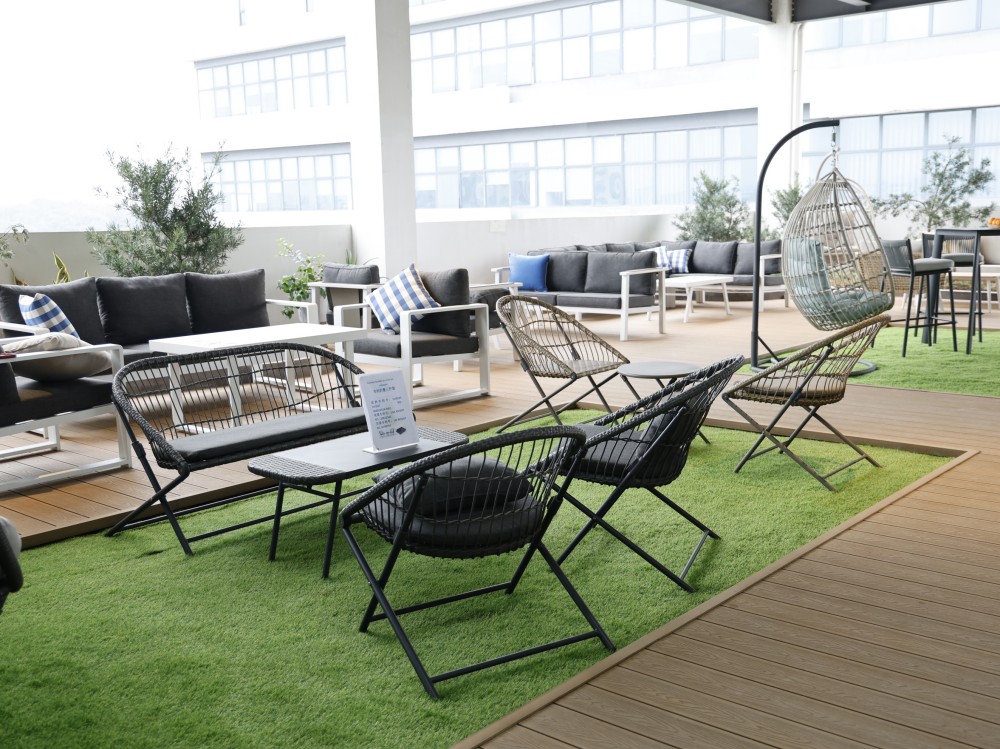
Our contract-grade furniture is trusted by leading commercial clients, sourcing agents, and outdoor distributors across the globe.











Navigating high-volume contract projects requires detailed product knowledge. Below, we address key technical queries that procurement teams evaluate before finalizing orders.
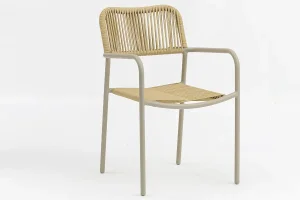
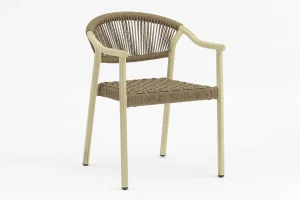
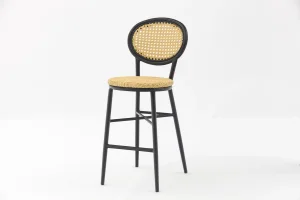
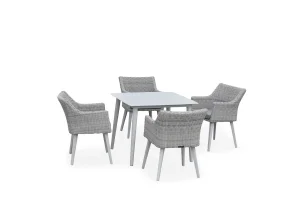
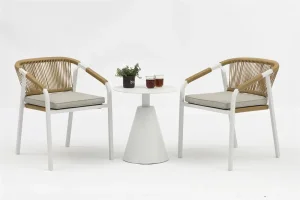
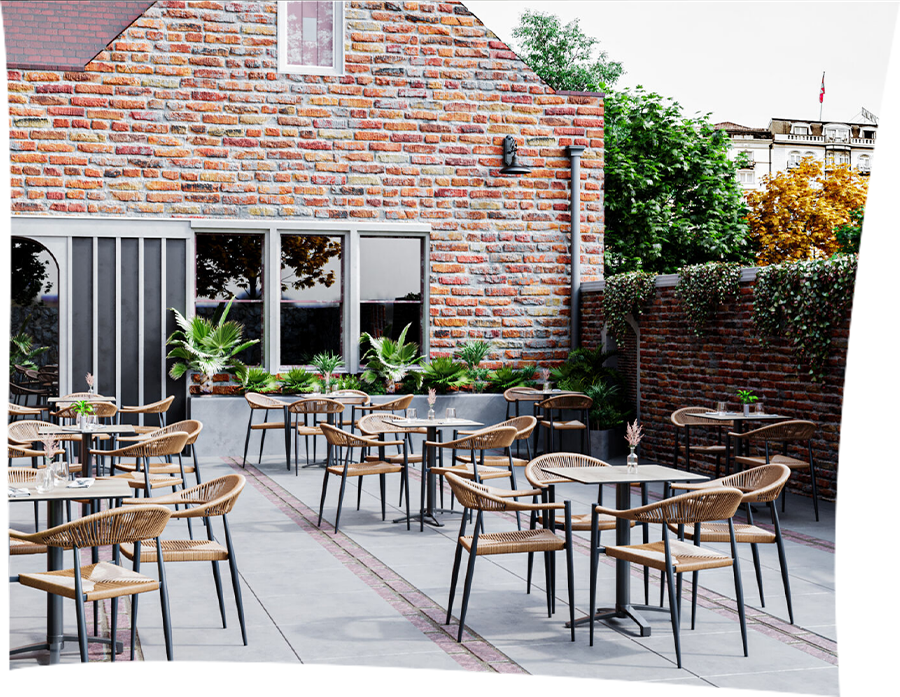
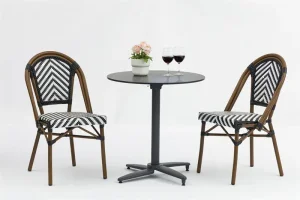
Experience comfort and elegance with the Almelo Chair – where classic bistro style meets structural sophistication.
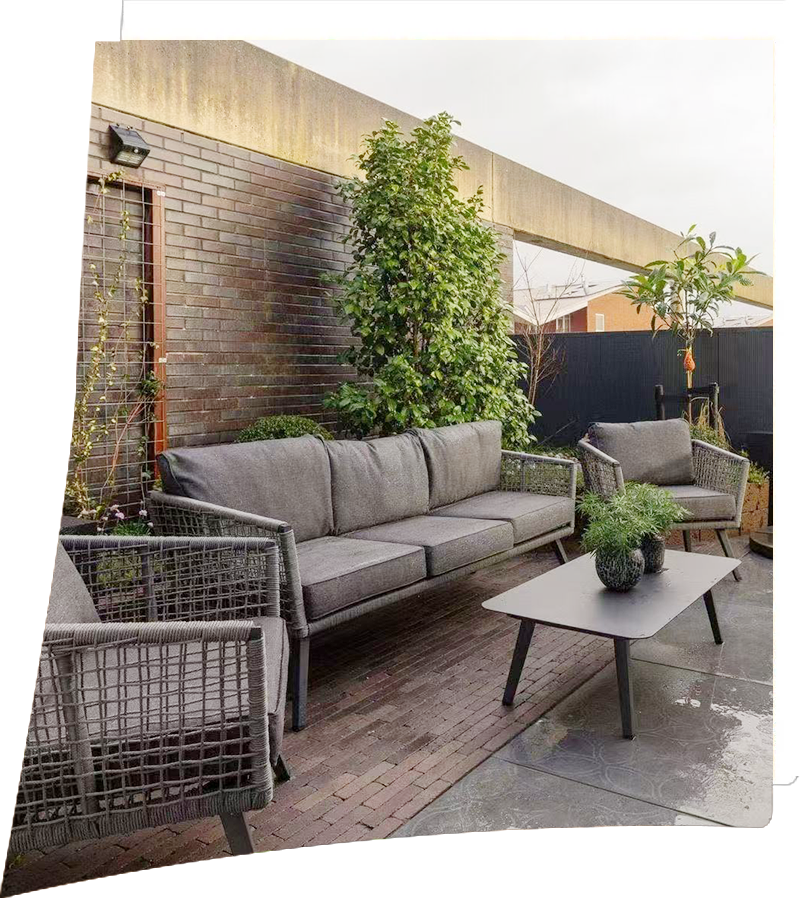
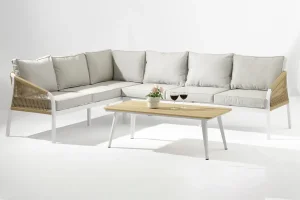
Embrace comfort and Scandinavian minimalist design with the Narvik Sofa – where modern relaxation meets outdoor durability.
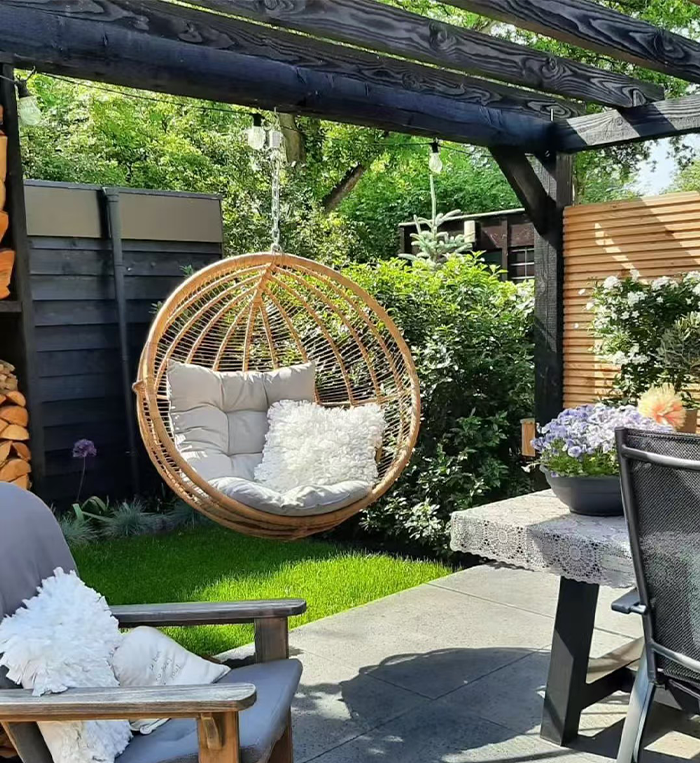
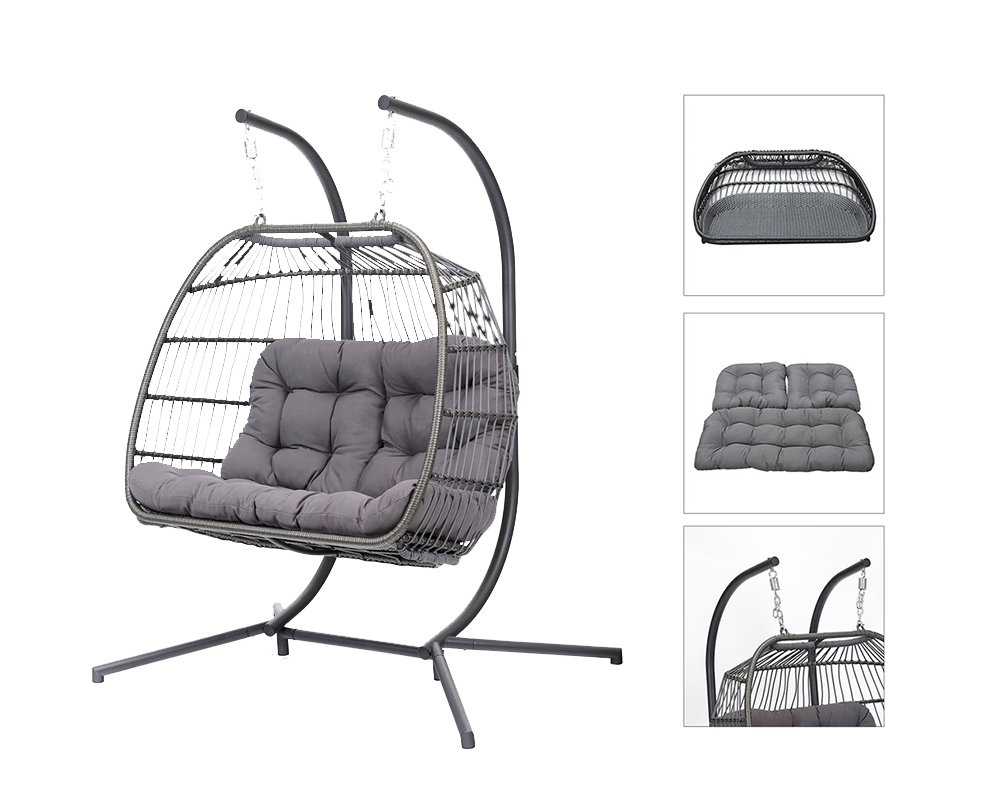
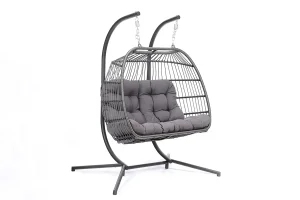
Enjoy relaxing outdoor spaces. Our hanging basket designs provide a comfortable, floating retreat for hotel gardens and luxury patios.
 ADS Outdoor