Why Are Reclining Chairs So Popular Worldwide?

Time:2026-09-13 Author:Oliver
0%

Why Are Reclining Chairs So Popular Worldwide? The answer begins with an ordinary moment: tired legs, a tense back, and a quiet evening at home. Reclining Chairs respond to that moment by changing body position with a lever, button, or motor. Their appeal is practical, not merely decorative. They support reading, watching television, resting, and recovering after long working hours.

Ergonomics provides useful context. Dr. Alan Hedge, a respected ergonomics researcher, often emphasized, “The best posture is the next posture.” This principle helps explain the popularity of adjustable seating. A reclined position can reduce pressure on certain areas and provide more adaptable support than a fixed sofa. However, comfort depends on correct sizing, lumbar support, stable construction, and responsible use. A chair that feels soft in a showroom may become uncomfortable after several hours.

Worldwide demand also reflects changing lifestyles. Smaller homes encourage furniture with multiple functions. Older adults may value easier sitting and standing. Remote workers may seek a temporary alternative to rigid office chairs. Families often choose Reclining Chairs because different users can adjust them independently. Comfort travels.

Still, popularity does not prove universal suitability. Some models occupy significant floor space, consume electricity, or offer poor support when cheaply designed. Buyers should check weight capacity, upholstery durability, motor noise, and warranty terms. Personal experience matters, but it should be balanced with professional guidance. The strongest explanation is therefore incomplete without a small reservation: Reclining Chairs are popular because they combine comfort, flexibility, and familiar daily rituals, yet thoughtful selection determines whether that popularity becomes genuine long-term value.
Why Are Reclining Chairs So Popular Worldwide?

Definition and Basic Design of Reclining Chairs

Why Are Reclining Chairs So Popular Worldwide?

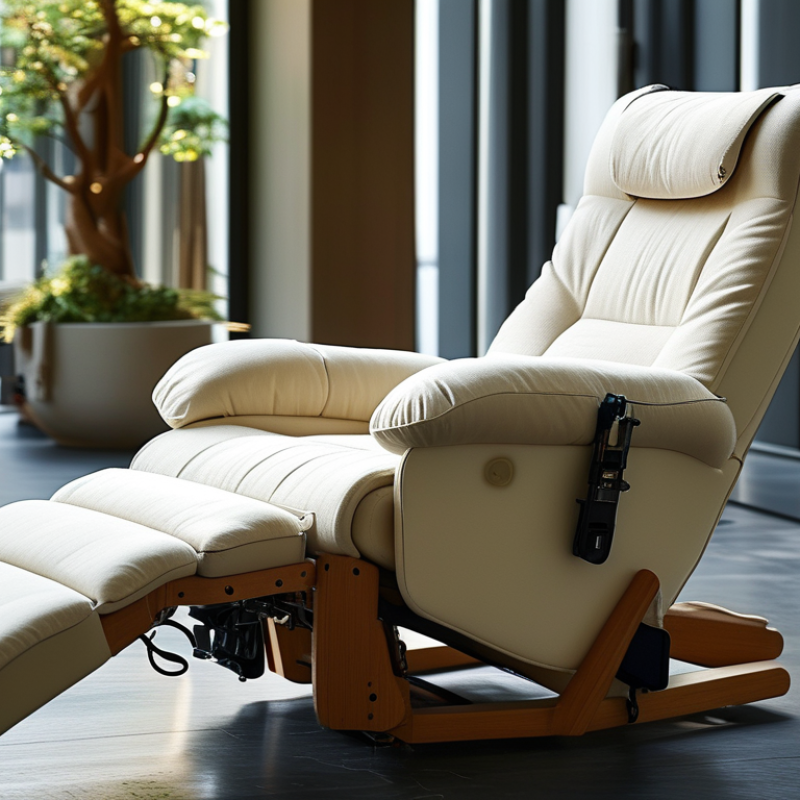
A reclining chair is a seat with an adjustable backrest and leg support. Its mechanism changes the body angle from upright sitting to a more open resting position. Common designs use a steel frame, padded cushions, a footrest, and either a manual handle or electric actuator. The recline angle often ranges from about 90 to 160 degrees, depending on the model. That range supports reading, television viewing, and short periods of rest. It is not a medical device.

Market reports show growing interest in this category. Fortune Business Insights estimated the global recliner sofa market at about USD 4.9 billion in 2023, with continued growth expected through 2030. The report links demand to home comfort and ageing populations. Meanwhile, the World Health Organization reported that 31% of adults worldwide were insufficiently active in 2022. A comfortable chair may encourage rest, but it cannot replace movement. That distinction matters. Comfort can become a habit, sometimes an unhelpful one.

Tips: Check the chair’s seat depth before buying. Your feet should touch the floor when upright. The lumbar area should feel supported, not pushed forward. Test the footrest fully open. Listen for uneven movement. Electric models should offer smooth, controlled adjustments. Manual designs may last longer because they contain fewer electronic parts, though this is not guaranteed. A 2023 ergonomics review in Applied Ergonomics also emphasizes posture variation, so change positions regularly instead of remaining reclined for hours.

How Reclining Chairs Developed Across Different Eras

Why Are Reclining Chairs So Popular Worldwide?

Reclining chairs did not appear as a modern invention. Ancient Roman resting couches allowed people to lean backward during meals and conversations. Centuries later, European reading chairs added deeper seats and angled backs. The nineteenth-century Morris chair introduced a practical adjustable backrest. Its wooden frame and loose cushions suited quiet reading at home.

Industrial manufacturing changed the chair’s role. In the twentieth century, metal mechanisms replaced simple wooden adjustments. Footrests became smoother, safer, and easier to operate. After the 1950s, reclining furniture entered ordinary living rooms, not only private studies. Electric controls later offered finer positioning for older users and people with limited mobility.

Market data reflects this long development. Allied Market Research estimated the global recliner sofa market at about 4.7 billion dollars in 2021. It projects roughly 7.3 billion dollars by 2031, with a 4.6% compound annual growth rate. Grand View Research also reported strong expansion through 2030, although definitions differ across reports. That difference deserves attention. Market estimates are not perfectly comparable. Some include reclining sofas, while others count individual chairs.

Today, design combines comfort with ergonomic research. A well-positioned lumbar area can reduce pressure during long sitting periods. It cannot fix every posture problem. That is an easy point to overlook. Daily movement still matters, even when the chair feels wonderfully supportive.

Key Comfort and Health Benefits of Reclining Chairs

Why Are Reclining Chairs So Popular Worldwide?

Key Comfort and Health Benefits of Reclining Chairs

A reclining chair supports the body in ways a fixed seat often cannot. By adjusting the backrest and footrest, users can reduce pressure on the lower back, hips, and knees. After several hours of reading or desk work, even a small angle change may feel significant. The feet can rest higher, while the shoulders stay supported.

This posture may also help people manage everyday discomfort linked to prolonged sitting. Elevating the legs can reduce feelings of heaviness and swelling for some users. A stable headrest may ease neck strain during television viewing or quiet rest. Older adults and people recovering from limited mobility often value the easier sitting and standing position. However, comfort varies. A position that helps one person may aggravate another.

A reclining chair is not a cure-all. Poor support, excessive reclining, or long periods without movement can create new stiffness. Health professionals generally recommend changing positions, stretching gently, and following individual medical advice. Users with back, heart, circulation, or mobility concerns should ask a qualified clinician before relying on a recliner for extended rest. My own preference would be moderate reclining, with a cushion only when the natural support feels insufficient. The chair should assist movement, not replace it.

Why Reclining Chairs Suit Homes, Offices, and Public Spaces

Reclining chairs fit modern spaces because they support changing routines, not one fixed posture. In a home, a chair can hold reading, resting, gaming, or quiet conversation. Parents may recline briefly while watching a child nearby. Older adults often value raised foot support and easier position changes. These details make everyday comfort feel more accessible. Still, comfort is personal.

In offices, reclining chairs can support short recovery breaks between demanding tasks. A moderate recline may help users vary their posture instead of sitting rigidly all day. However, a reclining chair should not replace movement, proper desk height, or regular standing. Public spaces also benefit from this flexibility. Libraries, waiting areas, clinics, and transport lounges can offer calmer seating for people with different needs. In busy settings, wipeable surfaces and strong mechanisms matter as much as softness. A chair that looks elegant may still feel wrong after twenty minutes.

Tips: Measure the full reclining clearance before buying or installing a chair. Check whether nearby tables, walls, and walkways remain usable. Test the footrest, back angle, and head support slowly. Choose stable construction and easy-clean materials for shared spaces. Do not choose softness alone. A supportive seat should feel comfortable without forcing the body into one position. Small adjustments often matter more than impressive appearance.

Popular Types, Features, and Buying Considerations

Why Are Reclining Chairs So Popular Worldwide?

Reclining chairs combine rest, posture support, and flexible seating in one product. A 2024 report from Grand View Research valued the global recliner sofas market at approximately USD 4.9 billion in 2023. It also projected steady growth through 2030. The exact figures vary between research firms, which reflects inconsistent category definitions. Still, demand is clearly expanding.

Popular types include manual recliners, power recliners, lift chairs, and wall-hugger models. Manual designs are simple and usually lighter on maintenance. Power models offer smoother adjustments, useful for people with limited strength. Lift chairs can assist standing, but buyers should check movement speed and emergency battery options. Wall-hugger chairs save space behind the back.

Comfort depends on details, not appearance alone. Seat depth should support the thighs without pressing behind the knees. Lumbar support should touch the lower back naturally. A footrest must extend fully and remain stable.

Look for durable frames, quiet mechanisms, breathable upholstery, and clearly tested weight limits. The American National Standards Institute and BIFMA publish furniture safety and performance standards, so compliance evidence matters.

Measure the room first. Measure doorways too. A chair that fits the body may not fit the home. Massage functions can feel attractive, yet they may add cost without improving basic support. I sometimes overvalue extra features when testing furniture; simpler controls often prove easier to use. Check warranties, repair access, and return conditions before buying.

FAQS

When did reclining chairs first appear?

Ancient Roman resting couches allowed people to lean backward during meals and conversations. They were early reclining furniture.

How did reclining chairs develop in Europe?

European reading chairs gained deeper seats and angled backs. Later, the nineteenth-century Morris chair added an adjustable backrest.

What made the Morris chair practical?

Its wooden frame, loose cushions, and adjustable back supported quiet reading at home. It was simple, not flawless.

How did industrial manufacturing change reclining chairs?

Metal mechanisms replaced basic wooden adjustments. Footrests became smoother, safer, and easier to operate.

When did reclining chairs enter ordinary living rooms?

After the 1950s, reclining furniture moved beyond private studies. It became common in everyday living spaces.

Why do older adults often prefer reclining chairs?

Raised foot support and easier position changes can make sitting more accessible. Electric controls may offer finer adjustments.

Can a reclining chair solve every posture problem?

No. Good lumbar support may reduce pressure, but daily movement still matters. Comfort is not a complete health solution.

Where can reclining chairs be useful?

They suit homes, offices, libraries, clinics, waiting areas, and transport lounges. Each space needs different materials and mechanisms.

What should people check before buying a reclining chair?

Measure the full reclining clearance around walls, tables, and walkways. Test the footrest, back angle, and head support slowly.

Are market estimates for reclining chairs fully reliable?

Not completely. Some reports count reclining sofas, while others count individual chairs. Comparisons can be imperfect.

Conclusion

Reclining Chairs have become popular worldwide because they combine practical design with personalized comfort. Their basic structure allows the backrest to tilt backward while the footrest rises, supporting different sitting positions for reading, resting, watching television, or taking a short break. Although early reclining furniture was relatively simple, its design has developed across different eras as materials, manufacturing methods, and lifestyle needs have changed. Modern versions often focus on smooth movement, sturdy construction, supportive cushioning, and easy-to-use controls.

Beyond relaxation, Reclining Chairs may help reduce pressure on the lower back, improve leg elevation, and encourage better posture when adjusted correctly. Their flexibility makes them suitable for living rooms, offices, waiting areas, healthcare environments, and other public spaces. Popular types include manual, electric, compact, rocking, and space-saving models. When choosing one, buyers should consider size, weight capacity, upholstery, adjustment range, durability, maintenance, safety, and the amount of available room. These qualities explain why reclining seating remains useful in many homes and shared environments.


Oliver

Oliver

Oliver is a seasoned marketing professional with a wealth of expertise in driving brand awareness and engagement. With a deep understanding of our company's product offerings, he consistently delivers high-quality content that enriches our professional blog. His insights not only shed light on......