As the hospitality industry evolves, hotels are increasingly focusing on outdoor spaces. Hotel outdoor furniture plays a crucial role in enhancing guest experience. A recent report by the Global Market Insights predicts a significant growth rate of 6% in the outdoor furniture market over the next five years. Such statistics highlight the rising importance of well-designed outdoor areas in hotels.
According to industry expert Lisa Tran, a renowned designer of outdoor furnishings, "The right furniture can transform a simple patio into a luxurious retreat." This underscores the need for hotels to invest in high-quality outdoor furniture. With many choices available, global buyers must navigate options that balance aesthetics, durability, and comfort.
Selecting the right hotel outdoor furniture is no easy task. Factors such as climate, local trends, and user preferences can complicate decision-making. It is imperative to reflect on these elements, ensuring that the final choices meet both functional and stylistic needs. The challenge lies not just in selection, but also in anticipating future trends and sustainability issues in the outdoor furniture sector.
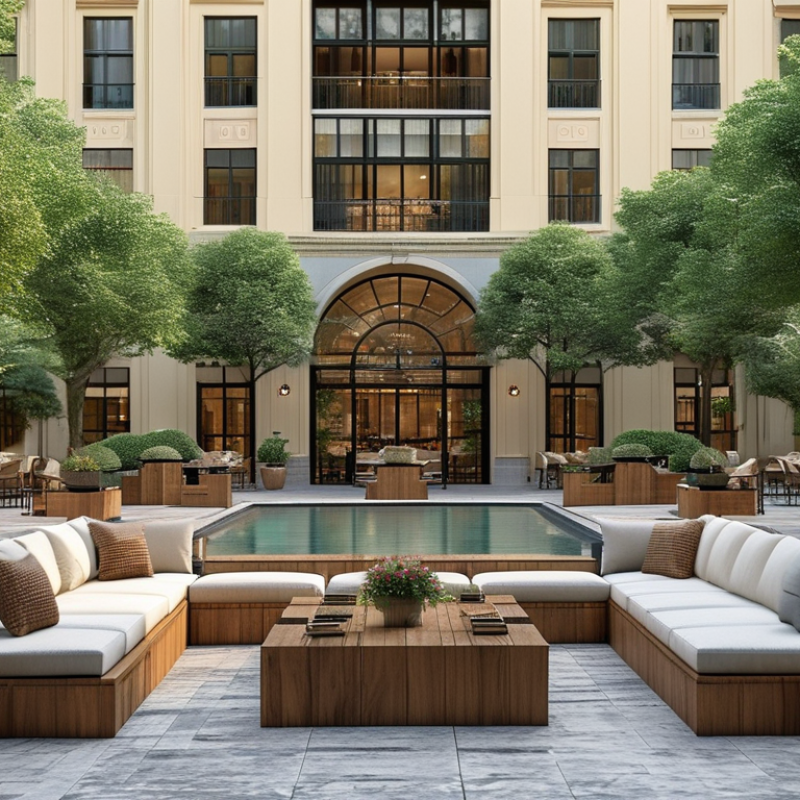
Types of Hotel Outdoor Furniture: A Comprehensive Overview
Hotel outdoor furniture options vary significantly and can enhance any hotel's ambiance. When choosing outdoor furniture, it's crucial to consider durability, style, and comfort. Options include lounge chairs, dining sets, and cabanas. Each type serves a unique purpose. For instance, lounge chairs are ideal for poolside relaxation, while dining sets foster social interaction.
Tips: Always check if the furniture is weather-resistant. Consider materials like aluminum or teak for outdoor durability. Ensure cushions are water-resistant and easy to clean.
Some buyers overlook the importance of comfort. It's essential to test seating options before making decisions. A good piece of furniture should invite guests to linger longer.
Variety is key. Think about different styles that align with your hotel theme. Furniture should not only be functional but also add to the overall aesthetic. Balance can be tricky; it’s worth adjusting options until it feels right. Sometimes what looks good in theory may not suit practical needs on-site.
Factors to Consider When Choosing Outdoor Furniture for Hotels
Choosing outdoor furniture for hotels involves various important factors. Comfort, durability, and aesthetics are key elements. Studies from the Hospitality Institute reveal that well-designed outdoor spaces can increase customer satisfaction by up to 30%. This statistic highlights the need for thoughtful selections in outdoor furniture.
When selecting materials, consider weather resistance. Teak, aluminum, and synthetic wicker are popular choices. Each material offers unique advantages. Teak is valued for its natural elegance and durability. Aluminum is lightweight and rust-resistant, ideal for diverse climates. Synthetic wicker is often praised for its aesthetic appeal and ease of maintenance.
Tip: Always test furniture for comfort. Sit on chairs and lay on loungers. Pay attention to the feel and support they provide.
Additionally, style plays a significant role. Guests typically prefer modern and sleek designs. Incorporating vibrant colors can create inviting atmospheres. However, be cautious. Overly bright colors may fade quickly under sunlight.
Tip: Consider the overall theme of your hotel. Ensure that outdoor furniture complements the interior design. Cohesiveness strengthens brand identity. Reflection on the environment is vital. Evaluate how furniture will blend with the landscape. This could enhance visual appeal drastically.
Popular Materials Used in Hotel Outdoor Furniture
Choosing the right materials for hotel outdoor furniture is crucial for aesthetics and durability. Many hotels opt for materials like aluminum, teak, and synthetic resin. Aluminum is lightweight and resistant to rust. It is easy to move and stack, making it perfect for spaces that require flexibility. Teak, on the other hand, offers a natural beauty and is highly resistant to weather conditions. Its rich, warm tones can enhance the ambiance of any outdoor setting.
Synthetic resin has gained popularity for its practicality. It mimics the look of natural wicker but is far more durable. This material is often easier to maintain and can withstand the harshest weather. Hotels appreciate how synthetic resin furniture can endure heavy use while appearing stylish. However, the challenge lies in striking the right balance between comfort and design.
Selecting the ideal material also depends on the intended use and location. Factors like exposure to sun, rain, and salt air must be considered. A stunning outdoor space can easily be diminished by furniture that wears quickly. Reflection on material choices is essential for creating inviting yet resilient outdoor areas. The right material can provide not only beauty but also longevity and comfort for guests. Attention to detail here can truly make a difference.
Popular Materials Used in Hotel Outdoor Furniture
Trends in Outdoor Furniture Design for the Hospitality Industry
Outdoor furniture trends in the hospitality industry are dynamic and reflect a growing emphasis on comfort, sustainability, and innovative design. Many hotels now prioritize durable materials that blend style with function. Wicker, teak, and aluminum are popular, offering both beauty and resilience against the elements. In recent years, softer seating choices, like lounge chairs with cushions, have gained traction, appealing to guests seeking relaxation.
Tip: When selecting outdoor furniture, consider the synergy between your hotel's theme and the local environment. This can enhance the guest experience and create an inviting atmosphere.
Bold colors and patterns are trending, allowing hotels to make a statement and stand out. Meanwhile, sustainable options are becoming essential, as consumers prefer eco-friendly choices. Furniture made from recycled materials or sustainably sourced wood can appeal to eco-conscious travelers. However, striking a balance between aesthetics and practicality can be challenging. Oversized pieces may look great but could overwhelm smaller spaces.
Tip: Always think about your space. Mix smaller, movable furniture with larger fixed pieces to maintain flexibility without compromising style.
Creating unique outdoor spaces is essential. Elements like fire pits, water features, and outdoor lighting can enhance ambiance. Despite the allure of intricate designs, some may not withstand the test of time. Regular maintenance is crucial to ensure longevity and guest satisfaction. Investing thoughtfully in outdoor furniture pays off in creating memorable experiences.
What is Hotel Outdoor Furniture Options for Global Buyers?
| Furniture Type |
Materials |
Trend 2023 |
Price Range (USD) |
| Lounge Chairs |
Aluminum, Sling Fabric |
Sustainable Designs |
150 - 400 |
| Dining Sets |
Wood, Wicker, Steel |
Mixed Materials |
500 - 1200 |
| Umbrellas |
Fabric, Aluminum |
UV Protection Features |
200 - 600 |
| Benches |
Teak Wood, Resin |
Modular Designs |
300 - 800 |
| Fire Pits |
Stone, Metal |
Outdoor Living Spaces |
800 - 2000 |
Sourcing Outdoor Furniture: Tips for Global Buyers
When sourcing outdoor furniture for hotels, understanding specific buyer needs is crucial. The global outdoor furniture market was valued at approximately $20.7 billion in 2021 and is expected to grow steadily, showcasing its importance in the hospitality sector. Buyers should focus on materials that balance durability with aesthetics. Aluminum, teak, and synthetic wicker are popular choices for their resistance to weather and wear.
When sourcing, consider the style that aligns with your hotel's theme. A trendy resort may benefit from vibrant, modern designs. Meanwhile, a classic establishment might prefer timeless wooden furniture. Aiming for versatility helps cater to various customer preferences.
Tip 1: Assess local climate conditions. This affects material choice and long-term functionality. If your hotel is in a humid area, metal options may rust.
Tip 2: Investigate suppliers' eco-friendly practices. Sustainability trends are rising. Over 70% of guests prefer eco-conscious hotels, reflecting their values.
Tip 3: Verify quality and durability. Inconsistent quality can lead to higher costs. Conducting a thorough inspection of samples can prevent future disappointments. Every sourcing decision should be an informed one, balancing cost with practicality and design.
FAQS
: Comfort, durability, and aesthetics are essential. Well-designed spaces increase customer satisfaction.
Popular choices include teak, aluminum, and synthetic wicker. Each has its own benefits.
Consider rust resistance and durability. Metals like aluminum handle diverse climates well.
Testing ensures chairs and loungers provide adequate support and comfort for guests.
Modern designs with vibrant colors attract guests, but bright colors may fade over time.
Cohesive design with the interior enhances brand image and guest experience.
Trends include durability, comfort, bold colors, and eco-friendly materials.
Oversized pieces may overwhelm smaller areas, impacting functionality and aesthetics.
Incorporating fire pits and lighting can enhance ambiance and guest enjoyment.
Regular upkeep ensures longevity and keeps outdoor areas inviting for guests.
Conclusion
Hotel outdoor furniture is essential for enhancing the guest experience in the hospitality industry. This article provides a comprehensive overview of the various types of outdoor furniture suitable for hotels, including seating, tables, and lounges designed to withstand diverse weather conditions. When selecting hotel outdoor furniture, it is crucial to consider factors such as durability, comfort, and design aesthetics, ensuring that the pieces align with the hotel's overall ambiance and guest expectations.
The materials commonly used in hotel outdoor furniture vary, with options like aluminum, teak, and synthetic resin being popular for their resilience and low maintenance. Additionally, current trends in outdoor furniture design emphasize sustainability and multifunctionality, catering to the evolving needs of guests. For global buyers, sourcing outdoor furniture involves understanding market trends and establishing reliable supplier relationships to ensure high-quality purchases that enhance outdoor spaces in hotels.

 ADS Outdoor